In Stock

© Marijuana Seeds Canada | 2026


 We charge in Canadian dollars. Save 40%!
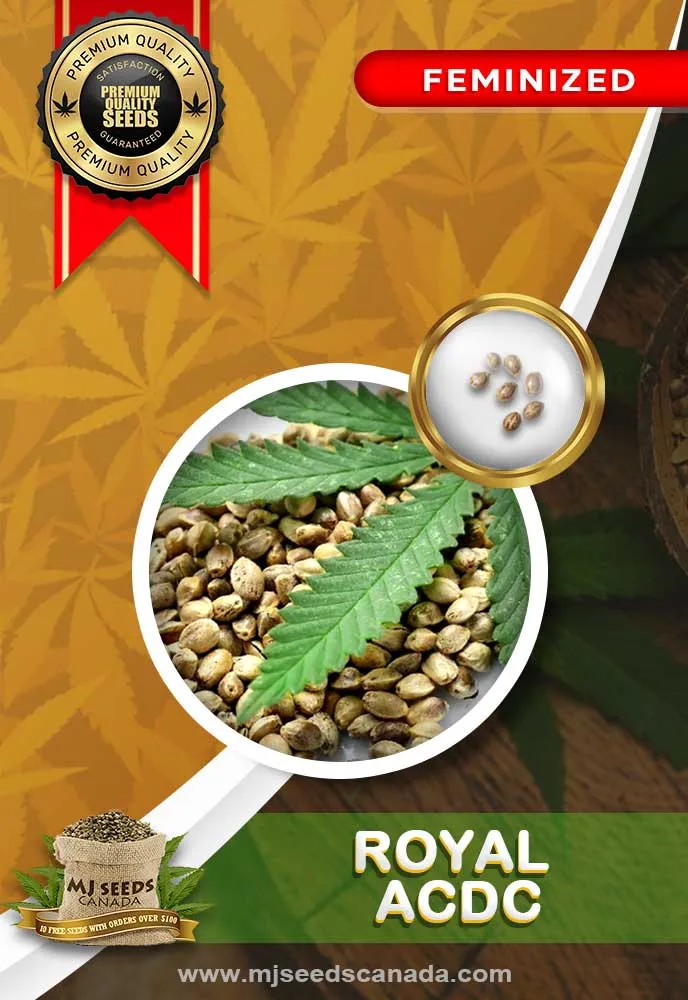

The reported ACDC × Royal Kush lineage is commonly described as approximately 50% Indica and 50% Sativa, supporting its classification as a Balanced Hybrid. This even genetic profile reflects the hybrid nature of the cross without assigning a more precise ratio unless supported by reliable published information. Find marijuana seeds in Canada at MJ Seeds Canada, offering a selection of popular strains and quality genetics.




Shipping: Your order will be shipped 20 September 2026 by USPS with tracking, shipping cost $20.00.
Payment Options: Payment can be made with Credit/Debit Card, Cash and Bitcoin.
Free Seed: Spend $200 or more to enjoy FREE SHIPPING! Plus, if you spend $420, you’ll receive 10 FREE SEEDS along with FREE SHIPPING.

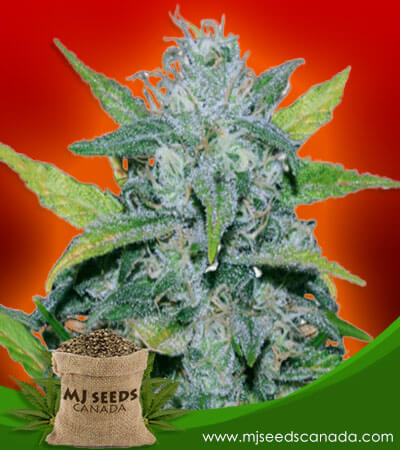
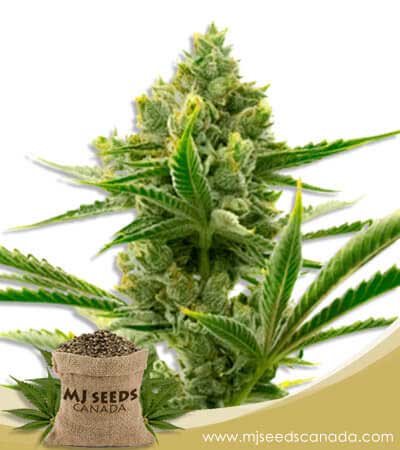
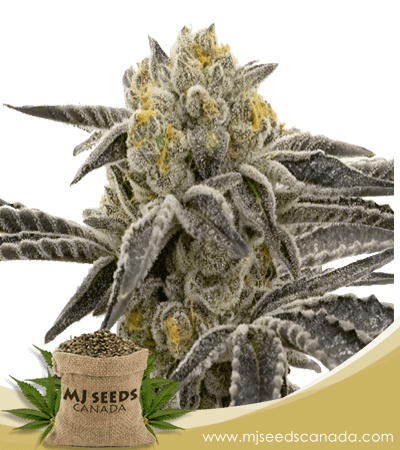
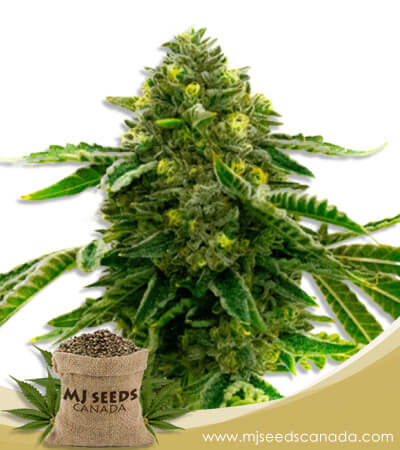
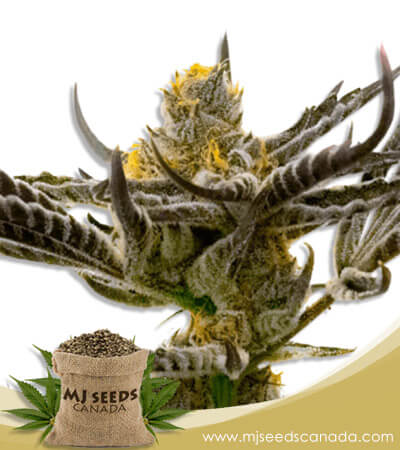
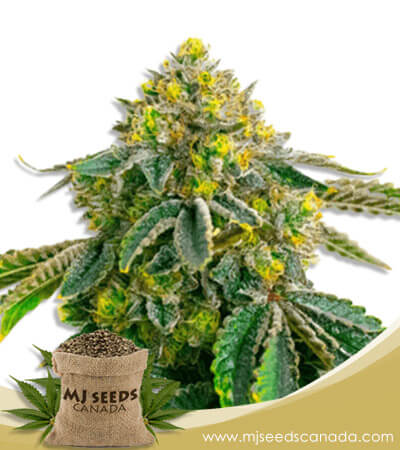
Royal ACDC is a hybrid cannabis cultivar developed from the reported ACDC × Royal Kush cross. This pairing brings together the distinctive characteristics of both parent lines, resulting in a balanced genetic profile with a combination of traits inherited from each side of the lineage. The feminized seed format also provides growers with a consistent starting point for cultivating this distinctive hybrid.
This cultivar is best suited to intermediate growers who can maintain stable environmental conditions and provide consistent care throughout the growth cycle. Its moderate indoor stature makes it relatively manageable in controlled environments, while techniques such as low-stress training, selective topping, and pruning can help create an even canopy and improve light penetration. Maintaining adequate airflow and keeping the growing environment stable throughout flowering can also support healthy flower development and overall plant performance.
Outdoor plants have greater opportunity to develop their natural structure when provided with sufficient root space, sunlight, and a long growing season. Good spacing and canopy airflow become increasingly important as flowers mature, particularly in humid conditions where dense growth can retain excess moisture. Consistent nutrition, appropriate watering, and careful environmental management can help plants reach their potential, with reported outdoor production reaching approximately 400–600 g per plant under favorable conditions.
The cultivar performs best in temperate, warm, and Mediterranean-style climates, where plants receive abundant sunlight and are protected from prolonged environmental stress. Indoor flowering is generally reported at around 9–10 weeks, while outdoor plants in the Northern Hemisphere are typically harvested from late September through October. Growers in the Southern Hemisphere should adjust the harvest period according to their local growing season, with overall performance influenced by phenotype, climate, cultivation method, and plant management.
$65.00 – $240.00
$65.00 – $240.00
$65.00 – $240.00
$65.00 – $240.00
$65.00 – $240.00
$65.00 – $240.00
Important Links
Are You 18 Or Over?
By clicking 'Continue', you confirm that you are over 18 years old. By using this website, you agree to our terms of service.